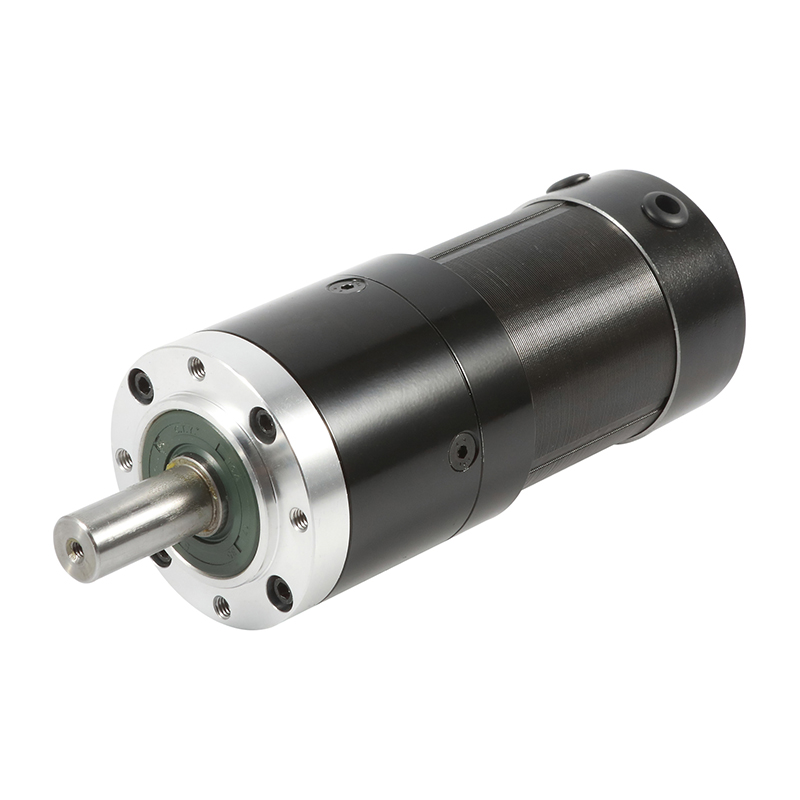










Flat Brushless Motor Selection Made Easy for Your Project
 May 27, 2026|
 View:290
You need to match your flat brushless motor to your project's specific requirements for the best results. Consider important factors like voltage, speed, and torque. These choices impact how well your motor performs. Pay attention to the environment where the motor will run. Dust or extreme temperatures can cause problems. Make sure your motor meets all standards to avoid delays. Anyone can follow these steps and make a smart decision.
Key Takeaways
Understand your project's requirements. Focus on load, speed, and size to choose the right motor.
Calculate torque accurately. This prevents motor failures and ensures efficient performance.
Match motor specifications with your application. Check voltage, speed, and winding configuration for smooth operation.
Consider environmental factors. Protect your motor from dust, moisture, and extreme temperatures to enhance its lifespan.
Choose a reliable supplier. Good support and quality motors save time and reduce long-term costs.
Understanding Flat Brushless Motors

What Is a Flat Brushless Motor?
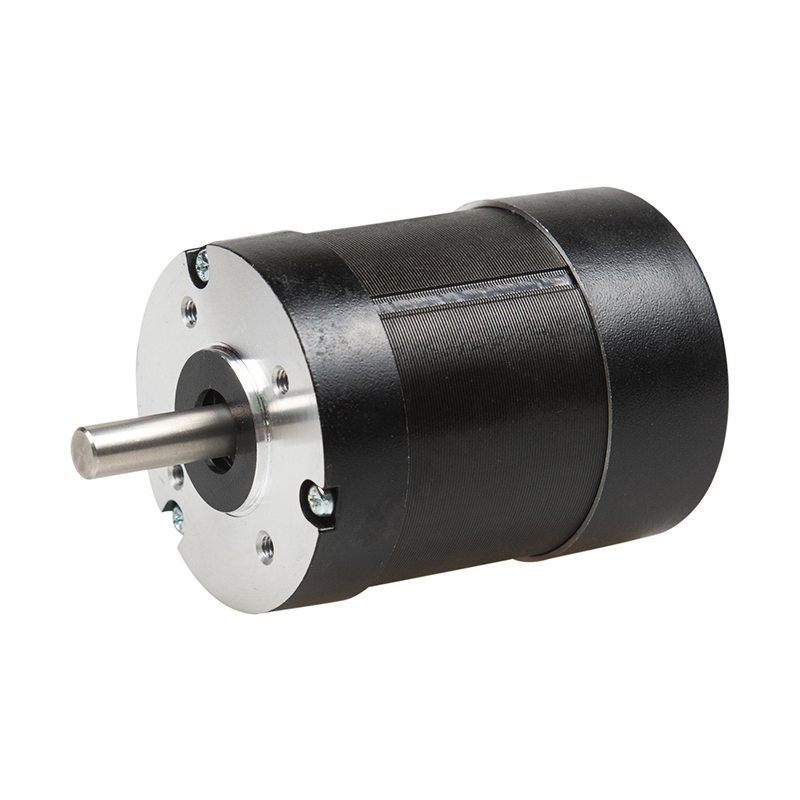
You will find that a flat brushless motor is a type of brushless motor with a compact, disc-like shape. This design allows you to fit the motor into tight spaces where traditional motors cannot go. The flat profile makes it ideal for projects that require a low center of gravity or limited installation depth. Unlike motors with brushes, a brushless motor uses electronic commutation, which means you get less wear and longer life. You may also see the term "bldc motor" used to describe this technology.
Key Features and Benefits
A flat brushless motor stands out for its high efficiency and smooth operation. You can expect quiet performance because there are no brushes to create friction or noise. The compact size helps you save space in your design. You will also notice that these motors generate less heat, which improves reliability. Many engineers choose a brushless motor for its precise speed and torque control. This makes it a top choice for variable speed applications. You can also benefit from low maintenance needs, since there are fewer moving parts that wear out over time.
Tip: When you need a motor for a project that demands both power and a slim profile, consider a flat brushless motor.
Typical Uses
You will see flat brushless motors in many industries and consumer products. Their unique shape and performance make them popular in devices where space and efficiency matter. Common applications include:
Backpack vacuum motors
Carpet extractor motors
Carwash vacuum motors
Central vacuum motors
Handheld vacuum motors
Robot vacuum motors
Agricultural fan motors
Air assist boat lift motors
HVAC motors
Mixers and blenders motors
Cordless power tools
Electric bicycles
You will also find brushless motors in computer hard drives, CD/DVD players, small cooling fans, direct-drive turntables, electric and hybrid vehicles, and personal transporters like Segway scooters. These motors excel in projects that require reliable, efficient, and quiet operation.
Project Requirements for Motor Selection
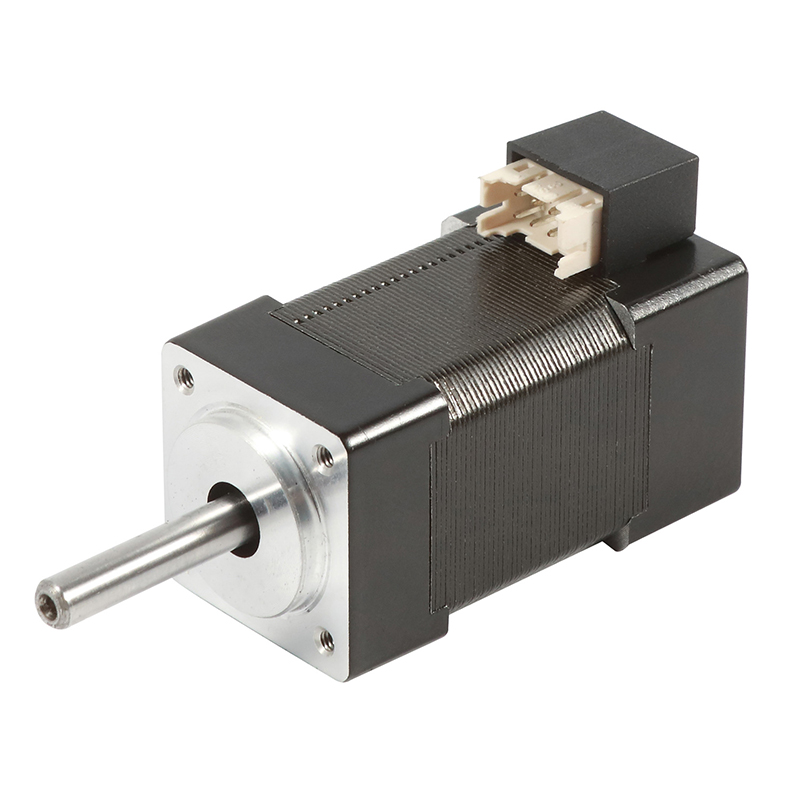
Before you select a flat brushless motor, you need to understand your project's mechanical and electrical requirements. This step helps you avoid common mistakes and ensures your motor will perform as expected. You should focus on three main areas: load and torque, speed and voltage, and size and space.
Load and Torque
You must calculate the load your motor will move or control. This calculation determines the torque your brushless motor needs to deliver. If you skip this step, you risk choosing a motor that cannot handle the job. About 70% of motor failures happen because of incorrect torque calculations. You can prevent this by taking time to measure or estimate the load accurately.
Load calculation helps you decide the torque, speed, and power output your project needs.
The rated torque is the maximum torque your motor can supply without overheating.
Peak torque can reach two to three times the constant torque for short bursts, but you should not rely on peak torque for continuous operation.
Always match the torque rating in the motor specifications to your project's requirements.
If you work on a robotics project, you will see that thermal limits affect the torque output. You should check the motor specifications for both constant and peak torque values. This approach ensures your brushless motor will not overheat during use.
Tip: Accurate torque calculations lead to better efficiency and longer motor life.
Speed and Voltage
You need to know the speed your application requires. Speed is usually measured in revolutions per minute (RPM). The speed you choose affects the voltage and winding configuration of your bldc motor. If you select a motor with the wrong speed rating, your project may not work as planned.
Speed and voltage must match your project's needs for smooth operation.
The winding configuration in the motor specifications influences the speed and torque balance.
Higher voltage often means higher speed, but you must check if your controller and power supply can handle it.
Always review the speed range in the motor specifications to make sure it fits your application.
You should also consider how the speed changes during operation. Some projects need variable speed, while others require a constant speed. Choose a brushless motor that can deliver the right speed profile for your task.
Size and Space
You must measure the available space in your device before picking a motor. The diameter and thickness of your brushless motor must fit inside your design. The slotless design of many brushless motors reduces heat and allows for a more compact size without losing performance. This feature is important when you work with limited space.
Motor Type | Diameter (mm) | Thickness (mm) |
|---|---|---|
Smallest | 6.0 | 2.5 |
Larger | 12.0 | 3.4 |
Smaller motors work best for compact devices.
Larger motors provide more power or torque for demanding applications.
The design method, such as slotted or slotless, affects both size and performance.
You should always check the motor specifications for diameter and thickness. Make sure the brushless motor you choose fits your project's space limits. If you need more power, select a larger motor, but confirm it will fit in your device.
Note: Matching the motor size to your available space prevents installation problems and keeps your project running smoothly.
By focusing on load and torque, speed and voltage, and size and space, you set a strong foundation for choosing the right flat brushless motor. Careful planning at this stage helps you avoid costly mistakes and ensures your project will succeed.
Matching Flat Brushless Motor Specs
Torque and Speed Ratings
You need to understand torque and speed ratings before you select a brushless motor. These two values determine how your motor will perform in your project. Torque measures the turning force the motor can provide. Speed tells you how fast the motor shaft rotates, usually in revolutions per minute (RPM). You should always check the motor specifications for both values.
The speed-torque characteristics of a brushless motor show how torque changes as speed increases. Most motors produce higher torque at lower speeds. As speed rises, torque usually drops. You must match these characteristics to your project's needs. For example, if you need high torque at low speed, choose a motor with a lower Kv rating.
Kv rating is a key factor in bldc motor selection. Kv stands for "RPM per volt." A higher Kv rating means the motor spins faster but produces less torque. A lower Kv rating gives you more torque but less speed. Use the table below to compare how Kv ratings affect performance:
Kv Rating | Torque Output | Notes |
|---|---|---|
Higher | Lower | Higher kv motors spin faster but are weaker. |
Lower | Higher | Lower kv motors can be stronger, especially with big props. |
You should also look at the winding configuration in the motor specifications. Different windings change the balance between speed and torque. Always match the winding type to your application's demands.
Tip: Write down your required speed and torque before you start comparing motors. This step helps you avoid confusion and saves time.
Efficiency and Control
Efficiency tells you how well a brushless motor converts electrical energy into mechanical power. High efficiency means less energy wasted as heat. You should always check the efficiency rating in the motor specifications. Efficient motors save energy and reduce operating costs.
In industrial automation, engineers use several benchmarks to compare efficiency:
Improved energy efficiency leads to reduced energy consumption during operation, which is crucial for cost savings and sustainability.
Faster response times allow for precise speed and position control, enhancing the agility and accuracy of robots in complex tasks.
Reduced maintenance requirements due to the absence of brush wear, resulting in longer service life and lower operating costs.
You should also consider how you will control your brushless motor. Many applications need precise speed or position control. Choose a motor that works well with your controller. Some controllers offer advanced features like programmable speed profiles or feedback loops. These features help you fine-tune performance for your project.
Note: Efficient control systems extend the life of your motor and improve reliability.
Electronics and Compatibility
You must check the compatibility between your brushless motor and the electronic controller. The controller manages how the motor starts, stops, and changes speed. If the controller does not match the motor's voltage, current, or feedback type, you may face problems.
Here are some important points to consider:
Controller compatibility is essential for effective motor management in embedded systems.
The controller must support the motor's voltage, current, and feedback type.
The communication protocol should align with the system architecture.
A compatible motor-controller pair enhances performance, efficiency, and reliability.
You should always review the motor specifications and controller datasheets together. Make sure the communication protocol, such as CAN, UART, or PWM, matches your system. If you use a flat brushless motor in a smart device, check if the controller supports the required feedback signals.
Tip: Test your motor and controller together before final installation. This step helps you catch any compatibility issues early.
By understanding torque and speed ratings, focusing on efficiency and control, and ensuring electronics compatibility, you can select the right brushless motor for your project. Careful attention to motor specifications leads to better performance and fewer problems during operation.
Comparing Brushless Motor Options
Quality and Reliability
When you compare brushless motor options, you should focus on quality and reliability first. High-quality motors give you better performance and last longer. You want a motor that can handle your project's demands without frequent breakdowns. Look for these important quality metrics:
Efficiency: A good brushless motor converts more electrical energy into motion with less heat.
Lifespan: Longer-lasting motors reduce replacement costs and downtime.
Maintenance requirements: Motors that need less maintenance save you time and effort.
Precision control: Accurate speed and position control improve your project's results.
Cost: Quality often comes with a higher price, but it can save money over time.
You should always check the motor specifications for these details. Reliable motors help you keep your project running smoothly, especially when you need consistent speed and torque.
Price and Support
Price matters, but you should also think about the support you get from the supplier. Some brands offer strong technical support, which helps you with tasks like tuning your motor or optimizing speed profiles. Good suppliers provide clear warranty terms and a simple process for returns or repairs. Local service centers can fix problems faster, so you spend less time waiting.
You should look for these support features:
Technical help for setup and troubleshooting
On-site service for urgent repairs
Guidance for adjusting motor parameters
Strong support makes it easier to solve problems and keep your brushless motor working at its best.
Manufacturer Comparison
You need to compare different manufacturers before you choose a brushless motor. Check the quality of their documentation. Good documentation helps you integrate the motor into your project and understand the motor specifications. Use the table below to see how documentation affects your project:
Aspect | Impact on Integration |
|---|---|
Tailored Motor Designs | Improves performance and fit for custom projects. |
Quality of Motion | Ensures smooth speed changes and safe operation. |
Axial Length and Mass | Affects payload, reach, and safety. |
Peak Torque Requirements | Helps you plan for short, high-speed moves. |
System-Level Co-Optimization | Leads to lighter, more efficient designs. |
While Baolong Motor specializes in stepper motors, you can use the same criteria when comparing brushless motor brands. Always review motor specifications, support, and documentation before you decide. This approach helps you pick the best bldc motor for your needs.
Integration and Common Mistakes
Mounting and Wiring
You need to pay close attention to mounting and wiring when installing a brushless motor. Secure mounting prevents vibration and misalignment, which can damage the motor over time. Always follow the motor specifications for mounting hole patterns and torque settings. Proper wiring is just as important. Mistakes in wiring can cause serious problems for your system. The table below shows how common wiring errors affect performance and safety:
Issue Type | Description |
|---|---|
Electromagnetic Interference | High-frequency switching noise from the brushless motor can disrupt sensors and communication. |
Poor Grounding | Can lead to circulating currents and early motor failure. |
Cable Management Failures | Loose connectors or cable fatigue may cause sudden stops or false alarms. |
Software Misconfiguration | Incorrect settings can result in premature motor failure. |
Symptoms | Random errors, encoder faults, bearing damage, or drive resets. |
You should double-check all connections and use shielded cables if possible. Good cable management helps prevent unexpected shutdowns and keeps your brushless motor running smoothly.
Environmental Factors
Environmental conditions play a big role in the life of your brushless motor. You should avoid placing the motor near flammable gases, dust, oil, vapor, or moisture. If you use the motor outdoors, protect it with a cover to allow proper airflow and cooling. Moisture can cause system failure or electric shock, so always keep the area dry. Install your motor in a location free from vibration, shock, condensation, dust, and electrical noise. Extreme temperatures can also affect performance. High heat increases winding resistance and lowers magnetic force, which reduces efficiency. Cold weather can make materials brittle and lead to mechanical failure. Good thermal management helps maintain the speed and reliability of your motor.
Troubleshooting Tips
If your brushless motor does not start or jitters, you can use a few simple steps to find the problem. The table below lists common faults, symptoms, causes, and solutions:
Fault | Symptoms | Common Causes | Solutions |
|---|---|---|---|
Start-up failure/jitter | Motor jitters, shuts down, high current | Hall sensor failure, mechanical resistance, control mismatch | Replace or align Hall sensor, check bearings, adjust control parameters |
You should always check the motor specifications before making adjustments. Regular maintenance and careful setup help you avoid most issues. If you notice changes in speed or strange noises, stop the motor and inspect it right away. Quick action can prevent bigger problems and keep your project on track.
You can select the right flat brushless motor by following a clear process. Start by understanding your load, motion profile, and precision needs. Match the brushless motor specifications to your project's requirements to reduce failures and improve reliability. Use a checklist to cover speed, torque, environment, and control needs. Revisiting this guide helps you ensure your bldc motor delivers the best results. For ongoing learning, explore resources on brushless motor construction, efficiency, and selection criteria.
FAQ
How do you determine the right size flat brushless motor for your project?
You should measure the available space in your device. Check the motor's diameter and thickness in the specifications. Always match these dimensions to your project's design to ensure a proper fit.
What does the Kv rating mean for a brushless motor?
Kv rating shows how many revolutions per minute (RPM) the motor makes for each volt you apply. A higher Kv means more speed, but less torque. Choose the Kv that matches your speed and torque needs.
Can you use any controller with a flat brushless motor?
No, you must use a controller that matches your motor's voltage, current, and feedback type. Always check compatibility in the datasheets before connecting the motor and controller.
What are common mistakes when installing a flat brushless motor?
Loose mounting or poor wiring
Ignoring environmental factors like dust or moisture
Using the wrong controller settings
You can avoid these mistakes by following the manufacturer's guidelines and double-checking your setup.