










Brushless Vs Brushed DC Motors: When and Why to Choose One Over the Other
 Aug 21, 2025|
 View:3672
Selecting the right motor technology can make or break project success. Engineers face this critical decision daily: should they invest in advanced brushless motor systems or stick with proven brushed motor designs? The answer depends on application demands, budget constraints, and long-term operational goals.
Industry data reveals that 68% of new industrial automation projects now specify brushless motor technology, while cost-sensitive applications still rely heavily on brushed alternatives. Research indicates that brushless motors can achieve efficiency greater than 90% when optimally driven. Understanding when each technology delivers optimal value helps engineers make informed decisions that balance performance requirements with economic realities.
Key Takeaways
• Application duty cycle determines motor technology ROI - continuous operation favors brushless motor systems while intermittent use suits brushed designs
• Performance requirements like precision control, low noise, and high efficiency strongly indicate brushless motor selection
• Initial budget constraints may favor brushed motors, but total cost analysis often reveals brushless motor advantages in high-utilization scenarios
• Environmental factors such as dust, moisture, and temperature extremes significantly impact the brushless vs brushed motor decision
• Modern control requirements for automation, IoT integration, and energy management increasingly demand brushless motor capabilities
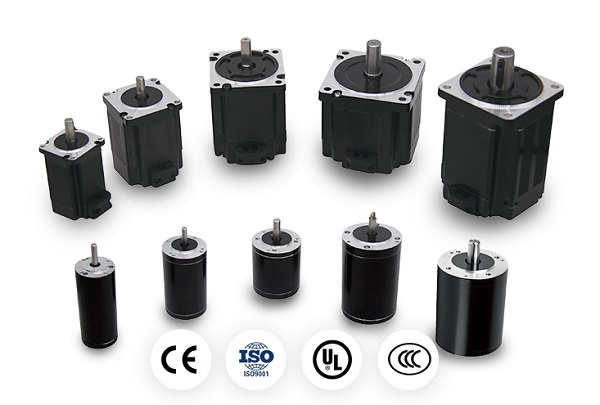
Critical Decision Factors
Duty Cycle Analysis
The most important factor in motor selection involves analyzing actual operating hours and usage patterns. Applications running more than 2,000 hours annually typically justify brushless motor investment through energy savings and reduced maintenance costs.
Continuous Operation (6+ hours daily):
• Manufacturing conveyors and production lines
• HVAC systems and industrial ventilation
• Pump systems for water treatment and processing
• Material handling equipment
Intermittent Operation (less than 2 hours daily):
• Automotive window motors and seat adjusters
• Garage door operators and gate systems
• Emergency backup equipment
• Prototype and testing applications
Performance Requirements Assessment
Specific application demands often dictate motor technology regardless of cost considerations. Precision manufacturing, medical devices, and aerospace applications require capabilities that only brushless motor systems can deliver.
| Requirement | Brushless Motor Best Choice | Brushed Motor Acceptable |
Speed Control Accuracy | ±0.1% precision needed | ±5% tolerance sufficient |
Torque Ripple | <2% variation required | 10-15% variation acceptable |
Acoustic Noise | <40 dB operation mandated | 50+ dB acceptable |
Starting Torque | High torque at zero speed | Moderate starting requirements |
Dynamic Response | Rapid acceleration/deceleration | Slow response acceptable |
Environmental Impact Considerations
Operating environment conditions dramatically affect motor selection decisions. Harsh conditions that accelerate brush wear make brushless motor technology essential for reliable operation.
Choose Brushless Motor Systems When:
• High dust levels contaminate brush-commutator interfaces
• Moisture exposure causes brush corrosion and arcing
• Temperature extremes exceed 60°C ambient conditions
• Vibration environments loosen brush contact pressure
• Explosive atmospheres require spark-free operation
Brushed Motors Work When:
• Clean, controlled environments minimize contamination
• Temperature stability maintains optimal brush performance
• Low vibration preserves mechanical contact integrity
• Non-hazardous locations allow occasional sparking
Economic Analysis Framework
Initial Investment Comparison
Brushed motor systems typically cost 40-60% less initially than equivalent brushless motor alternatives. However, this cost advantage diminishes when factoring in control electronics, installation complexity, and system integration requirements.
Brushed Motor System Costs:
• Motor: $200-800 (5HP industrial application)
• Control electronics: $100-300 (basic PWM drive)
• Installation labor: 2-4 hours
• Total initial investment: $400-1,400
Brushless Motor System Costs:
• Motor: $600-1,500 (5HP industrial application)
• Electronic controller: $400-1,000 (sophisticated ESC)
• Sensors and feedback: $150-400
• Installation labor: 4-8 hours
• Total initial investment: $1,200-3,200
Operating Cost Analysis
Long-term operating expenses often favor brushless motor technology despite higher upfront costs. Energy efficiency improvements and reduced maintenance requirements create substantial savings over equipment lifespans.
Annual Operating Cost Comparison (5HP, 4000 hours):
| Cost Factor | Brushless Motor | Brushed Motor | Annual Difference |
Energy consumption | $2,400 (90% efficiency) | $3,000 (75% efficiency) | $600 savings |
Maintenance labor | $200 (minimal service) | $800 (brush replacement) | $600 savings |
Replacement parts | $50 (bearings only) | $300 (brushes, commutator) | $250 savings |
Downtime costs | $400 (5 hours) | $1,600 (20 hours) | $1,200 savings |
Total Annual Costs | $3,050 | $5,700 | $2,650 savings |
Return on Investment Calculation
The payback period for brushless motor systems in high-utilization applications typically ranges from 12-18 months. Applications with annual operating costs exceeding $3,000 demonstrate clear financial advantages for brushless technology.
ROI Decision Matrix:
• Immediate ROI (6-12 months): Continuous operation, high energy costs, frequent maintenance access issues
• Medium ROI (1-2 years): Regular operation, moderate energy costs, scheduled maintenance windows
• Long ROI (2+ years): Intermittent operation, low energy costs, easy maintenance access
• Questionable ROI: Occasional operation, minimal energy impact, simple maintenance requirements
Application-Specific Selection Guidelines
Industrial Automation Applications
Modern manufacturing demands precise control, network integration, and predictive maintenance capabilities that strongly favor brushless motor technology. Industry 4.0 initiatives require motors with integrated sensors and communication protocols.
Brushless Motor Applications:
• CNC machine tool spindles and servo axes
• Robotic joint actuators and end effectors
• Automated assembly line positioning systems
• High-speed packaging and labeling equipment
Brushed Motor Applications:
• Simple conveyor drives without positioning requirements
• Manual positioning systems with operator control
• Emergency stop mechanisms and safety interlocks
• Basic material mixing and agitation systems
HVAC and Building Systems
Energy efficiency regulations and operational cost pressures drive HVAC applications toward brushless motor technology. Variable speed operation capabilities enable significant energy savings through load matching.
Brushless Motor Selection Criteria:
• Variable airflow requirements (VAV systems)
• Energy efficiency mandates (ASHRAE 90.1 compliance)
• Noise restrictions (occupied space applications)
• Extended operating schedules (24/7 operation)
Transportation and Automotive
Automotive applications demonstrate clear technology migration patterns. Critical systems affecting safety and fuel economy universally adopt brushless motor technology, while convenience features often retain brushed designs.
Brushless Motor Automotive Applications:
• Electric power steering systems
• Engine cooling fans and radiator pumps
• Fuel injection pumps and emission control
• Hybrid and electric vehicle traction motors
Remaining Brushed Motor Applications:
• Power window and sunroof mechanisms
• Seat adjustment and mirror positioning
• Windshield wiper systems (cost-sensitive models)
• Door lock actuators and trunk releases
Implementation Best Practices
System Integration Considerations
Successful brushless motor implementation requires careful attention to control system compatibility and installation requirements. Electronic speed controllers must match motor specifications and application demands.
Critical Integration Factors:
• Controller parameter configuration for optimal performance
• Sensor feedback alignment and calibration procedures
• EMI filtering and electrical noise suppression
• Thermal management for electronic components
• Safety system integration and fault protection
Maintenance Strategy Development
Brushless motor systems require different maintenance approaches compared to brushed alternatives. Predictive maintenance strategies replace scheduled brush replacement with condition monitoring.
Brushless Motor Maintenance Focus:
• Bearing vibration analysis and lubrication schedules
• Electronic controller diagnostic monitoring
• Sensor calibration and alignment verification
• Thermal imaging of connections and components
Brushed Motor Maintenance Requirements:
• Regular brush inspection and replacement schedules
• Commutator surface condition assessment
• Spring tension measurement and adjustment
• Carbon dust removal and cleaning procedures
Technology Selection Decision Tree
High-Performance Requirements
If applications demand precision control, low noise operation, or high efficiency, choose brushless motor technology regardless of cost considerations. These requirements cannot be met with brushed alternatives.
Moderate Performance, High Utilization
Applications with moderate performance needs but high annual operating hours benefit from brushless motor efficiency and reliability advantages. Calculate ROI based on energy savings and maintenance reduction.
Basic Performance, Low Utilization
Simple applications with minimal operating hours may effectively use brushed motors when cost sensitivity outweighs performance considerations. Ensure maintenance access and replacement procedures are practical.
Budget-Constrained Projects
When initial budgets severely limit options, brushed motors provide functional solutions with planned upgrade paths to brushless technology as applications mature and budgets allow.
Future-Proofing Considerations
Technology Evolution Trends
Brushless motor technology continues advancing with improved control algorithms, integrated sensors, and network connectivity. These developments create additional value beyond basic motor function.
Emerging Capabilities:
• Integrated condition monitoring and predictive maintenance
• Wireless control and status reporting
• Machine learning optimization algorithms
• Energy harvesting and regenerative braking
Regulatory Compliance
Energy efficiency regulations increasingly favor brushless motor technology. New standards and compliance requirements may mandate high-efficiency solutions in specific applications.
Key Regulatory Drivers:
• DOE energy efficiency standards for commercial equipment
• Federal energy conservation requirements for installations
• State-level efficiency incentives and rebate programs
• International efficiency standards (IEC, EN) adoption
Making the Final Decision
The brushless vs brushed motor decision ultimately depends on balancing performance requirements, operational costs, and strategic objectives. High-utilization applications with demanding performance needs clearly benefit from brushless motor technology despite higher initial costs.
Cost-sensitive applications with minimal operating hours may effectively use brushed motors, particularly when maintenance access is convenient and performance requirements are basic. However, the continuing cost reduction of brushless motor systems and increasing performance demands suggest a clear industry trend.
When evaluating motor technology for mission-critical applications requiring maximum reliability, efficiency, and performance capabilities, selecting an experienced brushless motor manufacturer ensures optimal system design and long-term success. BAOLONG delivers comprehensive brushless motor solutions engineered to meet the evolving demands of modern industrial applications.
FAQ
When does brushless motor cost justify the investment?
Applications operating more than 2,000 hours annually typically achieve 12-18 month payback through energy savings and reduced maintenance. Calculate total cost of ownership including energy, maintenance, and downtime costs.
Can existing brushed motor systems be upgraded to brushless technology?
Upgrades require new control electronics and often mechanical modifications. Evaluate mounting compatibility, power supply requirements, and control system integration complexity before proceeding.
What maintenance advantages do brushless motor systems provide?
Elimination of brush replacement reduces scheduled maintenance by 70-80%. Maintenance shifts from mechanical component replacement to electronic system monitoring and bearing lubrication.
How do environmental conditions impact motor selection?
Dust, moisture, temperature extremes, and vibration accelerate brush wear, making brushless motor systems essential for reliable operation in harsh environments.
What performance improvements justify brushless motor selection?
Applications requiring speed control accuracy better than ±2%, noise levels below 45dB, or efficiency above 85% typically require brushless motor technology to meet specifications.