










What is an Industrial Servo Motor and How Does It Work
 Jun 22, 2026|
 View:251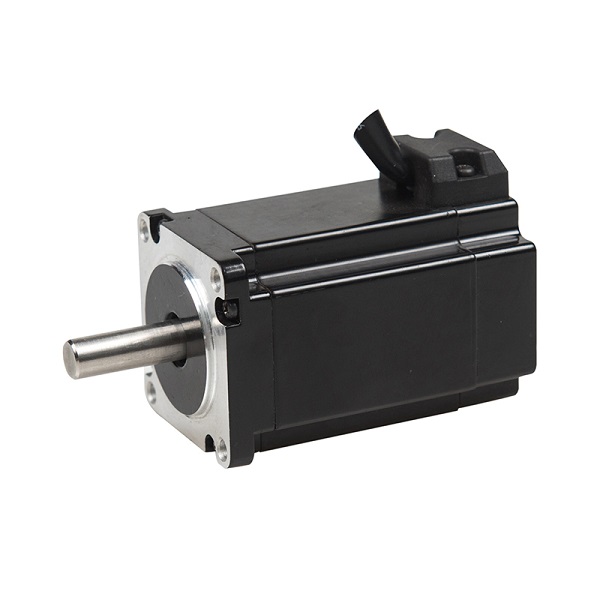
Industrial servo motors provide the ability to achieve precision motion control in demanding environments. These motors are essential for applications requiring high-precision positioning, fast response, and consistent stability.
A closed-loop system adapts in real time, keeping manufacturing processes accurate and efficient.
The global market for industrial servo motors is projected to reach USD 8.45 billion in 2024, showing strong growth. Backed by over two decades of expertise, Baolong Motor delivers reliable motor solutions, including advanced servo and stepper options, to support critical automation needs.
Key Takeaways
Industrial servo motors provide precise motion control, making them essential for applications in robotics, manufacturing, and medical devices.
A closed-loop control system allows servo motors to adjust in real time, ensuring accuracy and stability during operation.
Choosing between AC and DC servo motors depends on specific power needs; AC motors excel in high power applications, while DC motors are better for quick responses.
Brushless servo motors offer higher efficiency and lower maintenance compared to brushed motors, making them ideal for demanding tasks.
Backed by a 17,000-square-meter facility and over 200 advanced production equipment, Baolong Motor ensures an annual output of over 1.5 million units, providing highly customizable servo solutions for specific industrial requirements.
Industrial Servo Motor Basics
What is a Servo Motor
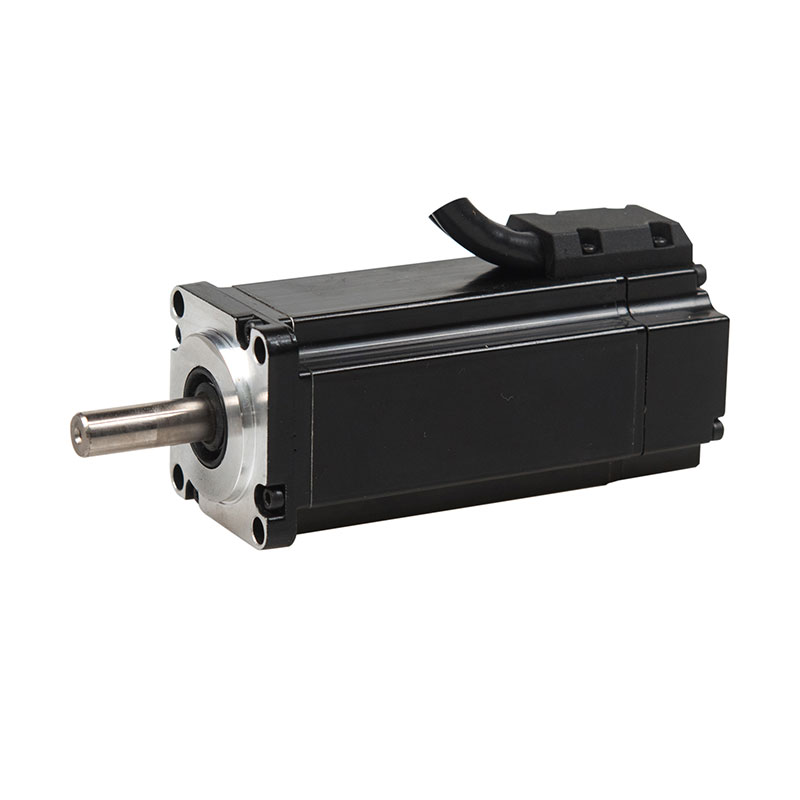
Servo motors are widely utilized in industrial settings where precision and reliability matter most. A servo motor is a specialized device designed to deliver controlled movement and accurate positioning, executing tasks that demand exact control of speed, position, and torque. The core of servo motor basics lies in its ability to respond quickly to commands and adjust its output based on feedback.
Industrial servo motors stand out because they operate within a closed-loop system. This means real-time feedback from sensors continuously monitors the motor’s position and performance. Tiny adjustments are made instantly, ensuring machinery stays on target. The technical characteristics that define an industrial servo motor include high resolution, rapid settling time, strong peak torque, wide bandwidth, and minimal torque ripple. The table below shows how these parameters impact applications:
Performance Parameter | Typical Range | Impact on Application |
|---|---|---|
Resolution | 65,536 to 4,194,304 counts/rev | Determines smallest achievable movement increment |
Settling Time | 20-150 milliseconds | Affects cycle time in point-to-point motion |
Peak Torque | 2-3× continuous torque | Enables rapid acceleration and deceleration |
Bandwidth | 50-400 Hz | Defines speed of response to command changes |
Torque Ripple | <2% to <8% | Affects smoothness at low speeds |
These features are crucial when precise motion control is needed in robotics, manufacturing, or medical devices. Baolong Motor offers a comprehensive range of high-quality servo solutions with power ratings from 5W to 3KW and frame sizes from 22mm to 130mm. Available in both round and square series, they support low voltage (24-48VDC) and high voltage (220-380VAC) requirements. Furthermore, optimized electromagnetic circuits reduce temperature rise by 20%, and compact designs reduce motor length by 15% for the same output, maximizing torque and power density in limited spaces.
How Servo Motors Work
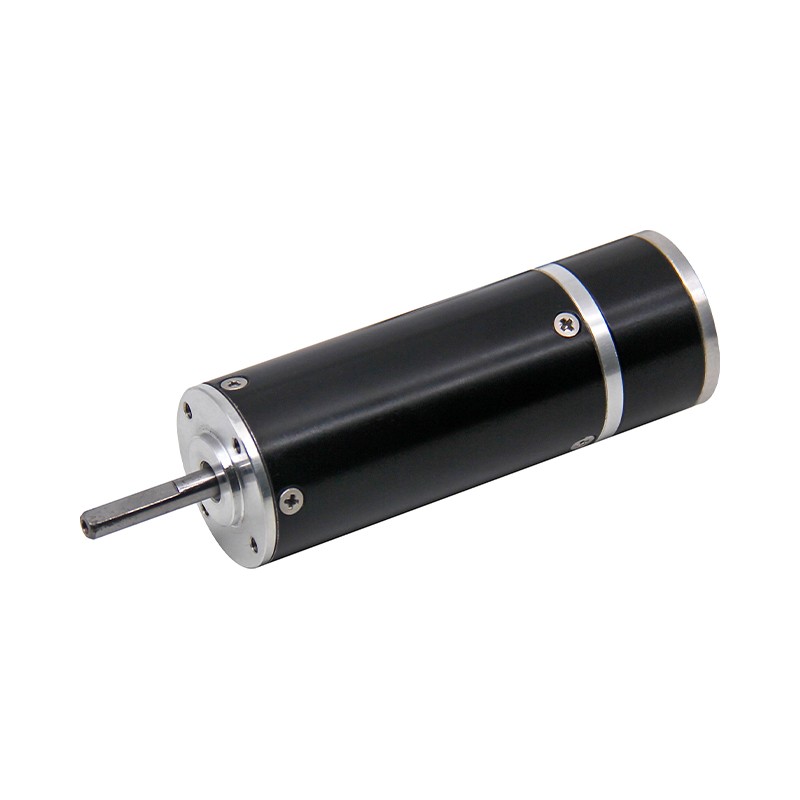
Precise control with servo motors is achieved by using a combination of sensors, controllers, and feedback mechanisms. The servo system constantly monitors the motor’s position and adjusts its output to match desired settings. Feedback devices such as potentiometers and encoders provide accurate information about the motor’s position.
Potentiometers give a voltage signal proportional to the shaft’s position. They are cost-effective but may wear over time.
Encoders offer digital feedback. Incremental encoders measure rotation direction and distance, while absolute encoders provide a unique code for every position, ensuring accuracy even after power cycles.
Advanced control systems accept commands from external logic controllers and offer automatic tuning for optimal performance. Setup and diagnostic tools are used to configure the system and troubleshoot issues. Built-in motion controllers enhance functionality, allowing switching between speed and torque modes as needed. The table below summarizes common control system features:
Feature | Description |
|---|---|
Command Options | Accepts commands from external logic controllers via various signal types. |
Automatic Tuning | Simplifies the setup process by automatically adjusting parameters for optimal performance. |
Setup/Diagnostics | Provides tools for configuring and diagnosing the system effectively. |
Built-in Motion Controllers | Enhances functionality with features like registration, electronic camming, and logic control. |
On-the-fly Control Mode Switching | Allows switching between speed and torque modes for specific applications. |
Servo motors differ significantly from other types of motors used in automation. By using permanent magnets in the rotor and providing continuous adjustment with feedback, they offer higher torque density and energy efficiency compared to AC induction motors, which run at fixed speeds and rely on external regulators.
New advancements in servo motor technology continue to emerge. AI and machine learning optimize performance in real time, while IIoT connectivity enables remote monitoring and control. Advanced materials improve durability, and integrated motor-drive units reduce complexity. Furthermore, designs like Permanent Magnet Synchronous Motors achieve efficiency ratings above 90%, helping facilities reduce energy consumption.
While some misconceptions exist—such as the belief that servo motors are always more precise than stepper motors—it is important to note that stepper motors can also achieve high precision with proper setup. High-precision servo systems represent a premium investment, but the productivity gains in demanding environments justify the cost.
Key Components of Servo Motors
Motor, Controller, and Feedback
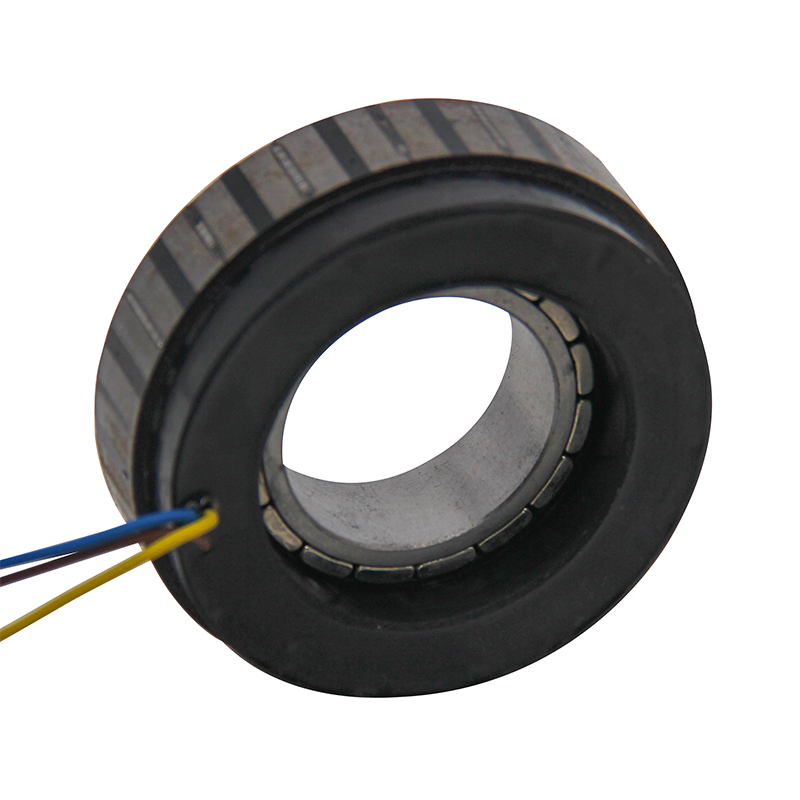
Every servo motor system relies on several essential parts working together. The motor unit forms the heart of the system. Most industrial servo motors use a brushless DC motor or a permanent magnet synchronous motor, providing the high power density and strong torque critical for demanding tasks.
The feedback encoder tracks the position and velocity of the motor shaft, sending real-time data to the controller for precise motion. Optical encoders, magnetic encoders, or resolvers are frequently used for this purpose. The servo drive amplifier then takes the control signals and converts them into accurate currents for the motor, utilizing advanced techniques to deliver smooth torque.
The motion controller acts as the brain of the servo system. It receives commands and calculates the necessary corrections based on feedback from the encoder. The unique roles of each part are outlined below:
Component | Function |
|---|---|
Motor Unit | The core of the servo motor, designed for high performance and exceptional power density. |
Tracks position and velocity using Photoelectric, Magnetic, Resolver, Incremental, or Absolute technologies. | |
Servo Drive Amplifier | Converts control signals into precise currents for smooth torque delivery. |
Motion Controller | Receives commands and calculates corrections using feedback from the encoder. |
Closed-Loop Control System
A closed-loop control system is fundamental to every industrial servo motor. This system constantly monitors the motor’s performance using real-time feedback from sensors. The controller checks the difference between the commanded position and the actual position, quickly adjusting the output to correct any errors.
The controller receives input from the control device and creates a motion profile for the servo.
It monitors feedback signals from the encoder to control the current sent to the motor.
The system adapts to changes like acceleration, load shifts, or external disturbances to keep the servo on track.
Closed-loop control guarantees higher accuracy, better stability, and faster response. It detects and corrects for load variations and mechanical wear, ensuring reliable torque and precise motion control even in challenging environments.
Types of Servo Motors
Several types of servo motors are utilized in industrial environments, each offering unique features to achieve precise motion control and reliable performance.
AC and DC Servo Motors
The choice between AC and DC servo motors depends on the application’s power and control needs. AC servo motors use alternating current and are commonly found in CNC machines, robotic arms, and automated assembly lines. These motors deliver high reliability, strong performance, and efficiency that can reach up to 92% in heavy-duty tasks. They also require less maintenance due to their robust brushless design.
DC servo motors use direct current and are often seen in lightweight robots, lab equipment, and simple positioning systems. They respond quickly to control signals, making them effective for low-power applications, though brushed DC variants require more maintenance due to mechanical wear.
Feature | AC Servo Motors | DC Servo Motors |
|---|---|---|
Power Source | Alternating Current | Direct Current |
Size | Generally larger, suitable for high power output | Typically smaller, ideal for low power applications |
Efficiency | 85% to 92% in heavy-duty applications | High efficiency in brushless variants; brushed requires maintenance |
Applications | CNC machines, robotic arms, automated assembly lines | Lightweight robots, lab equipment, simple positioning |
Brushed and Brushless Servo Motors
Brushed servo motors use physical brushes to transfer electrical energy. While they feature a simple design and lower initial cost, they require frequent maintenance as the brushes wear out over time, typically reaching about 60% efficiency.
Brushless servo motors utilize electronic commutation instead of brushes. This results in higher efficiency—often above 80%—significantly reduced maintenance, longer lifespans, and quieter operation. Brushless models are the standard for demanding industrial applications where reliability is paramount.
Synchronous and Asynchronous Servo Motors
Synchronous servo motors keep the rotor speed locked with the frequency of the supply current, making them ideal for precise speed and position control with high torque. Asynchronous (induction) servo motors allow the rotor speed to differ slightly from the supply frequency. They are highly robust and handle heavy loads well, making them suitable for less demanding motion control tasks where slight speed variations are acceptable.
Industrial Applications of Servo Motors
Robotics and Automation
Servo motors are at the core of robotics and automation systems, allowing robots to operate at varying speeds without overheating while maintaining load position even at zero speed. They provide smooth commutation and accurate positioning in collaborative robots, automated guided vehicles (AGVs), and packaging equipment. Integrated servo systems, which combine the motor, drive, and encoder into a compact unit, simplify installation and reduce space requirements, offering high performance in space-constrained environments.
CNC and Manufacturing
In CNC manufacturing and machine tools, servo motors drive tool movements, ensuring cutting tools reach the exact position needed for high-quality components. Precision is maintained at varying speeds and under different load conditions, which is strictly required in industries like aerospace and metalworking. Applications include milling, drilling, and grinding, where reliable torque and position control lead to consistent product quality.
Other Industrial Uses & Customization
Servo motors are extensively used in automotive systems (electronic power steering, throttle control), electric vehicles, and general manufacturing (conveyor systems, material handling). To meet diverse industry requirements, Baolong Motor provides extensive customization options for both servo and stepper motors, ensuring the perfect fit for unique applications.
Description | |
|---|---|
Tailored to Customer Applications | Configurations based on specific torque, speed, and voltage needs |
Multiple Shaft Options | Various shaft designs and lengths available |
Brake Mounting | Option to mount a holding brake on the motor |
IP65 Grade | Protection against dust and water ingress for harsh environments |
Aviation Plug Mounting | Ability to mount aviation plugs for secure connections |
Variety of Inertia & Pole-log | Configurable based on application dynamic requirements |
Encoder Types | Photoelectric, magnetic, resolver, incremental, and absolute encoders |
Industrial servo motors deliver precise control through closed-loop systems and advanced feedback, powering everything from robotics to CNC machines with accuracy. When selecting a motor, it is crucial to consider load inertia, speed requirements, and environmental constraints. Baolong Motor stands out for quality, innovation, and manufacturing scale. Choose the right solution by weighing performance, budget, and specific needs, and leverage expert support for customized motion control.
FAQ
What makes an industrial servo motor different from a regular motor?
Industrial servo motors utilize closed-loop feedback to continuously adjust speed, position, and torque. Regular motors typically run at set speeds without feedback. Servo motors are essential for achieving high accuracy in automation and robotics.
How do you choose the right servo motor for your application?
Selection should be based on continuous and peak torque requirements, operating speed, voltage (AC/DC), and the necessary feedback type (incremental vs. absolute encoder). Environmental factors like IP rating should also be considered.
Tip: Contact Baolong Motor's engineering team for expert sizing advice and custom solutions.
Can servo motors be used in harsh environments?
Yes. Many industrial servo motors, including those manufactured by Baolong Motor, offer IP65 protection. This rating prevents dust and low-pressure water jets from entering the motor, ensuring reliable operation in tough conditions.
What is the main advantage of closed-loop control in servo motors?
Closed-loop control guarantees high accuracy and stable operation. The system continuously checks encoder feedback and corrects positional errors instantly, even when external loads fluctuate.
Does Baolong Motor offer customization for servo and stepper motors?
Yes, as an OEM/ODM manufacturer with an annual output of over 1.5 million units, Baolong Motor adapts products to exact specifications. Available customizations include:
Multiple shaft options and lengths
Holding brake mounting
IP65 environmental protection
Photoelectric, magnetic, and resolver encoder choices