










 Jan 20, 2026
 View:1940
When selecting a brushless motor for applications exposed to moisture, dust, or harsh environments, understanding water resistance becomes critical. While many assume these motors offer inherent waterproofing, the reality is more nuanced. This comprehensive guide examines the water resistance capabilities of BLDC motors, helping you make informed decisions for your specific applications.
Key Takeaways
Brushless motors are not inherently waterproof but can be designed with varying levels of water resistance
IP ratings (Ingress Protection) determine the actual water resistance level of a motor
IP67 and IP68 rated BLDC motors offer substantial protection against water immersion
Proper sealing, coating, and housing design are essential for waterproof performance
Regular maintenance extends the water resistance capabilities of brushless motors
Understanding Brushless Motor Construction
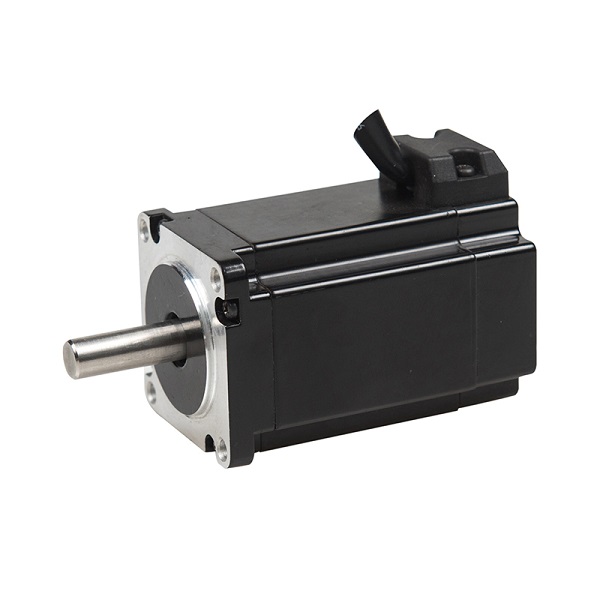
A brushless motor operates through electromagnetic principles without physical brushes, which gives it several advantages over traditional motors. The basic construction includes a rotor with permanent magnets, a stator with electromagnetic windings, and an electronic controller. This design eliminates the wear-prone brush-commutator interface found in conventional motors.
The absence of brushes means fewer openings in the motor housing, which inherently provides better protection against environmental elements. However, BLDC motors still have gaps for the shaft, ventilation ports, and cable entries that can allow water ingress if not properly sealed.
What Does "Waterproof" Actually Mean for Motors?
The term "waterproof" is often misunderstood. In the motor industry, water resistance is precisely defined by the Ingress Protection (IP) rating system established by the International Electrotechnical Commission under standard IEC 60529. This standardized system uses a two-digit code to specify protection levels against solid particles and liquids.
The first digit indicates protection against solid objects (0-6), while the second digit represents liquid protection (0-9). For instance, an IP65-rated motor is dust-tight and protected against water jets from any direction, but not suitable for submersion.
Common IP Ratings for Brushless Motors
| IP Rating | Dust Protection | Water Protection | Typical Applications |
|---|---|---|---|
| IP54 | Limited dust ingress | Splash resistant from any direction | Indoor equipment, light industrial |
| IP65 | Completely dust-tight | Protected against water jets (12.5 L/min) | Outdoor equipment, washdown areas |
| IP67 | Completely dust-tight | Temporary submersion up to 1 meter for 30 minutes | Marine equipment, underwater robotics |
| IP68 | Completely dust-tight | Continuous submersion beyond 1 meter (depth specified by manufacturer) | Submersible pumps, deep-water applications |
How Water Resistance is Achieved in BLDC Motors
Achieving water resistance in a brushless motor requires multiple engineering strategies working together. Manufacturers implement several protective measures to prevent water from reaching sensitive internal components.
Sealing Methods
High-quality O-rings and gaskets create barriers at critical junction points. The shaft typically uses lip seals or labyrinth seals to prevent water from entering along the rotating axis. Cable entry points feature sealed connectors with strain relief to maintain integrity even under movement or vibration. These sealing components are often made from materials like nitrile rubber (NBR), fluorocarbon (FKM), or silicone that resist degradation from water exposure.
Protective Coatings
Internal components receive specialized coatings to resist moisture. Conformal coatings—thin polymeric films applied to circuit boards and windings—protect against condensation and minor water exposure. Common coating materials include acrylic, silicone, urethane, and parylene which provides superior moisture barrier properties. Epoxy encapsulation provides an additional barrier for critical electronic components within the motor assembly.
Housing Design
The motor housing itself plays a crucial role. Sealed housings manufactured from corrosion-resistant materials like stainless steel (grades 304 or 316) or marine-grade aluminum alloys provide the first line of defense. Some designs eliminate ventilation holes entirely, relying on heat conduction through the housing rather than air circulation.
Limitations of Water-Resistant Brushless Motors
Even high-rated waterproof BLDC motors have limitations that users should understand. No motor is universally waterproof under all conditions, and several factors can compromise water resistance over time.
Temperature cycling causes expansion and contraction that can eventually compromise seals. Operating temperature ranges typically span from -20°C to +80°C for standard waterproof motors, though specialty designs can extend these limits. Mechanical wear from vibration or impact may create gaps in protective barriers. Chemical exposure from saltwater, chlorinated water, or industrial fluids can degrade sealing materials faster than freshwater exposure.
Pressure differentials also matter significantly. A motor rated for shallow submersion (IP67 at 1 meter depth) may fail if used at greater depths where water pressure exceeds design specifications. For every 10 meters of water depth, pressure increases by approximately 1 bar (14.5 psi). Similarly, rapid temperature changes can create vacuum conditions that draw moisture past seals.
Selecting the Right Water-Resistant Brushless Motor
Choosing an appropriate brushless motor for wet environments requires careful assessment of your specific application requirements. Consider these essential factors during selection.
Environmental Assessment
Begin by documenting the exact conditions your motor will face. Will it encounter occasional splashes, regular washdowns, or continuous submersion? What is the maximum water depth? Will the water be fresh, salt, or chemically treated? Understanding these parameters ensures you select an adequately rated motor without over-specifying.
Performance Requirements
Water resistance features can impact motor performance. Sealed motors typically have reduced cooling efficiency compared to ventilated designs, which may limit continuous operation power by 10-25% depending on the design. Verify that your chosen motor delivers required torque and speed while maintaining its IP rating under load conditions.
Certification Verification
Always request third-party certification documentation confirming the stated IP rating. Reputable manufacturers provide test reports from accredited laboratories demonstrating compliance with international standards such as IEC 60529 and ISO 20653. Be wary of motors claiming waterproof capabilities without proper IP certification.
Maintenance Practices for Water-Resistant Motors
Proper maintenance extends the service life and preserves water resistance in BLDC motors. Implement these practices to maintain protective integrity.
| Maintenance Task | Frequency | Purpose |
|---|---|---|
| Visual seal inspection | Monthly | Detect cracks, wear, or displacement |
| Connector examination | Quarterly | Check for corrosion or looseness |
| Seal replacement | Every 12-24 months or per manufacturer specs | Prevent age-related seal failure |
| Freshwater rinse (after saltwater use) | After each use | Remove corrosive salt deposits |
| Insulation resistance testing | Semi-annually | Detect moisture penetration early |
After any maintenance that involves opening the motor housing, re-seal all access points carefully. Apply appropriate sealant to threaded fasteners and verify gasket placement before reassembly. Allow adequate curing time for sealants (typically 24 hours for silicone-based products) before returning the motor to service.
Common Applications Requiring Water-Resistant Brushless Motors
Various industries rely on water-resistant brushless motors for critical applications where moisture exposure is inevitable.
Marine propulsion systems demand motors that withstand constant saltwater exposure. Electric boat motors, underwater thrusters for remotely operated vehicles, and surface vessel drives all require IP67 or IP68 ratings to function reliably in aquatic environments. These applications often specify motors with titanium or marine-grade stainless steel components for enhanced corrosion resistance.
Food and beverage processing facilities need motors that tolerate frequent washdowns with high-pressure water (often at pressures of 40-80 bar) and cleaning chemicals. Conveyor systems, mixing equipment, and packaging machinery in these environments typically specify IP65 or higher ratings to comply with hygiene regulations and sanitation requirements.
Agricultural equipment faces exposure to rain, irrigation water, and washdown operations. Automated feeding systems, greenhouse ventilation, and irrigation pumps benefit from water-resistant motor designs that maintain performance despite wet conditions and exposure to fertilizers or pesticides.
Medical and laboratory equipment often requires sterilization-compatible motors that resist moisture from cleaning procedures. Surgical tools, diagnostic equipment, and fluid handling systems utilize sealed BLDC motors that can withstand repeated exposure to disinfectants and sterilization processes while maintaining sterile environments.
Cost Considerations for Waterproof Brushless Motors
Water-resistant brushless motors typically cost 30-70% more than standard motors with equivalent performance specifications, with the premium varying based on the IP rating level and specialized features. IP54-rated motors sit at the lower end of this range, while IP68-rated motors designed for deep submersion command higher premiums. This cost reflects additional materials, specialized manufacturing processes, rigorous testing requirements, and quality control measures.
However, this upfront investment often proves economical over the motor's lifetime. Water damage to unprotected motors leads to premature failure, requiring costly replacements and system downtime. In applications with moisture exposure, the extended service life of properly rated motors—often 3-5 times longer than non-sealed alternatives in wet environments—provides better total cost of ownership.
Consider also the indirect costs of motor failure. In critical applications, unexpected downtime from water-damaged motors can result in production losses, missed deadlines, or safety incidents that far exceed the cost difference between standard and water-resistant designs. For example, in food processing, a single hour of downtime might cost thousands in lost production and wasted materials.
Testing Water Resistance Before Deployment
Before deploying a new BLDC motor in a wet environment, conducting field tests helps verify its suitability and identifies potential issues under actual operating conditions.
Start with a visual inspection of all seals and cable entries. Run the motor in a controlled environment and monitor for unusual vibration or noise that might indicate improper assembly. Gradually introduce moisture exposure, beginning with light spray and progressing to conditions matching your application over a test period of several hours.
After initial wet testing, perform an insulation resistance test using a megohmmeter at 500V DC for motors rated up to 500V. Readings should remain above manufacturer specifications, typically ranging from 10 megohms for small motors to 100 megohms for larger units. A reading below 2 megohms generally indicates moisture penetration requiring immediate attention and investigation.
Conclusion
Brushless motors are not universally waterproof by default, but they can be engineered to provide excellent water resistance when properly designed and rated. Understanding IP ratings, recognizing the engineering features that enable water protection, and selecting motors appropriate for your specific environmental conditions are essential for successful deployment.
The key to long-term performance lies in matching motor specifications to actual exposure conditions, implementing proper installation practices, and maintaining protective features through regular inspection and seal replacement. By following these guidelines, BLDC motors can deliver reliable operation even in challenging wet environments, providing the efficiency and performance benefits of brushless technology without compromising durability.
Frequently Asked Questions
Can I use a standard brushless motor outdoors?
Standard motors without IP ratings are unsuitable for outdoor use. At minimum, select an IP54-rated motor for protected outdoor installations, or IP65 and higher for direct weather exposure.
What's the difference between water-resistant and waterproof motors?
Water-resistant motors (IP54-IP65) withstand splashes and jets but not submersion. Waterproof motors (IP67-IP68) can operate while temporarily or continuously submerged at specified depths and durations.
How often should seals be replaced on water-resistant motors?
Most manufacturers recommend seal replacement every 12-24 months for motors in continuous wet service. Harsh chemical or saltwater environments may require more frequent replacement every 6-12 months depending on exposure intensity.
Will waterproof motors overheat due to reduced cooling?
Sealed motors have reduced air cooling but are engineered with adequate thermal management through conduction. Select motors with appropriate power derating (typically 10-25%) for your duty cycle, and consider external cooling if running at continuous high loads.
Can I retrofit a standard motor to be waterproof?
While aftermarket sealing is possible, it rarely achieves certified IP ratings and may void warranties. For reliable water protection, specify factory-sealed motors designed and tested for your required protection level.
Do waterproof ratings apply to both the motor and controller?
IP ratings are component-specific. The motor and controller each require appropriate ratings for their installation environment. A motor's IP rating does not extend to external electronics or controllers.